Skip to content

Work Injury Treatment in Nashville, Tennessee

Decide how an injury history guides care in Nashville. We review the event, symptoms, and work demands before planning treatment.

Licensed & InsuredWarranty AvailableUpfront, Transparent PricingServing 21 Communities

Quick Summary: Work-related care in Nashville, Tennessee

Work injury treatment in Nashville is provided by Advanced Injury Care Clinic for job-related pain, reduced movement, and injury recovery. Care covers an individualized evaluation, chiropractic techniques, rehabilitation, and therapeutic exercises for patients across Hendersonville, Goodlettsville, Madison, Gallatin, and nearby Middle Tennessee communities.

  • What we do: Advanced Injury Care Clinic provides Work Injury Treatment for Nashville, Tennessee patients with job-related pain, mobility concerns, and injury symptoms.
  • What is included: Injury evaluation, movement testing, spinal adjustments, corrective care, injury rehabilitation, and therapeutic exercises.
  • What you get: Work Injury Treatment gives the patient a clear care plan for improving movement and supporting recovery after a job-related injury.

Why does work-related pain keep happening after the original injury?

Pain may continue when movement stays limited or the injured area faces repeated work demands. An evaluation checks symptoms, movement, and physical function so care matches the condition.

Work Injury Treatment in Nashville, Tennessee: Injury evaluation and care planning

Work injury treatment begins with the event and symptoms that brought you in. We ask what happened, where pain started, and which work demands affect movement.

The main decision is whether chiropractic care fits the injury and your current function. Our team uses a health history and physical exam to guide that choice, with X-rays if clinically indicated.

This page focuses on evaluating job-related injuries before treatment begins. That distinction matters when pain changes during lifting, standing, reaching, driving, or repeated tasks. Your findings guide a personalized treatment plan, which may include spinal adjustments, corrective care, rehabilitation, or therapeutic exercises.

  • Bring details about the work event, symptoms, and tasks that increase discomfort.
  • Note changes in movement, strength, balance, or daily activity.
  • Share relevant health records or imaging when available.
  • Ask how the exam findings shape the treatment plan.
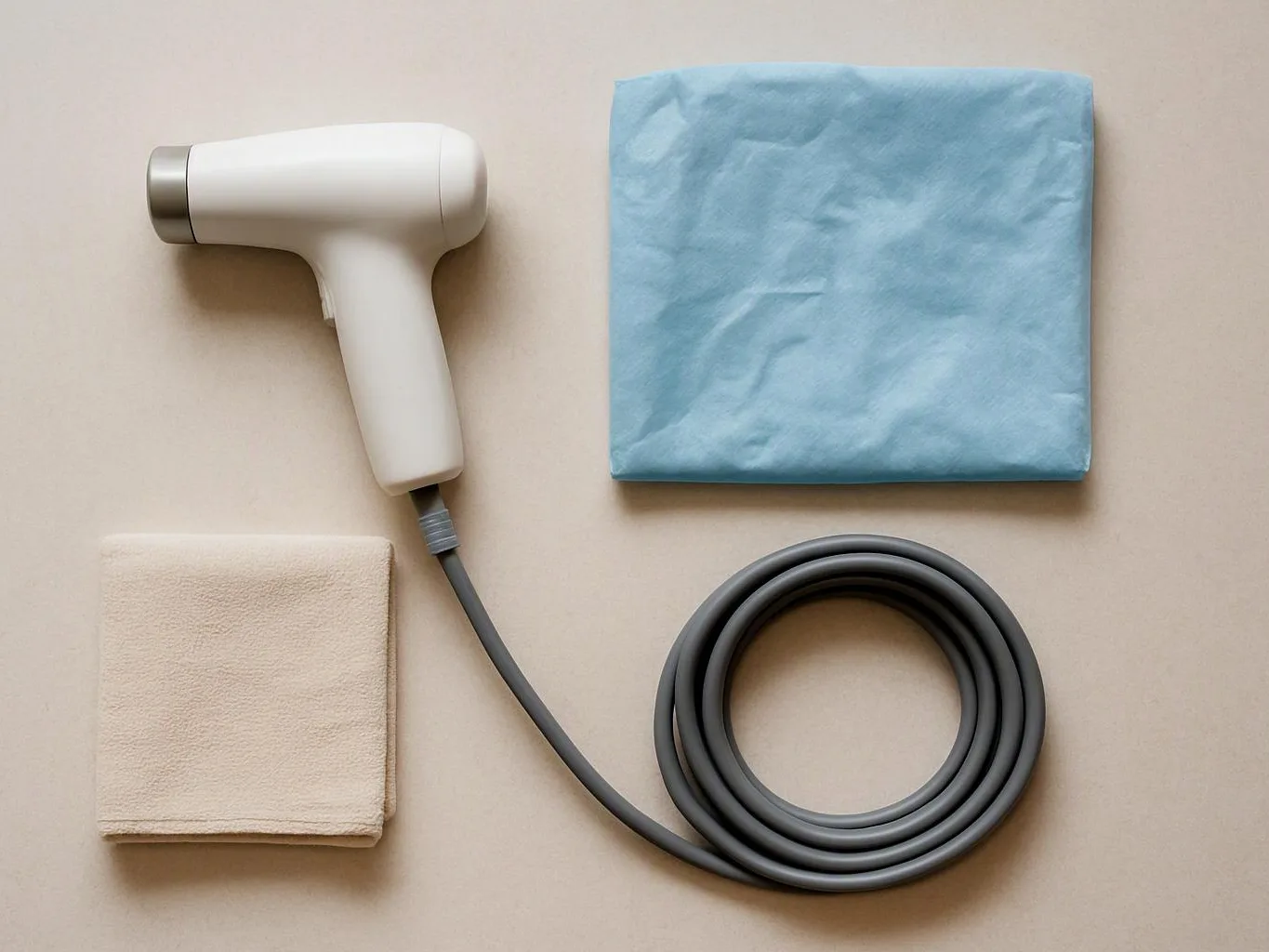
A white handheld device with a cord lies beside folded blue and beige cloths on a beige background

Service Overview

Work Injury Treatment is chiropractic care that assesses and treats pain or movement limits linked to job activity.

  • This care focuses on injury evaluation and function, while a general wellness visit focuses on ongoing health maintenance.
  • We provide this care in Nashville and serve Hendersonville, Goodlettsville, Gallatin, and nearby Middle Tennessee communities.

What work injury care includes for your first evaluation

Advanced Injury Care Clinic provides comprehensive Work Injury Treatment in Nashville. Here's what you get:

  • We review your injury history, symptoms, health history, and work demands.
  • We perform a physical examination with movement testing for affected areas.
  • We use X-rays if clinically indicated for the evaluation.
  • We explain the findings through a report of findings.
  • We create a personalized treatment plan for your condition and goals.
  • We may include spinal adjustments, corrective care, rehabilitation, or therapeutic exercises.

What this evaluation helps you decide

You receive clear answers about how your symptoms relate to movement and work tasks.

A focused exam helps match care to your condition and current function.

A treatment plan gives you a practical path for supporting recovery.

Therapeutic exercises may help you build better movement control between visits.

Follow-up checks help show whether the plan still fits your needs.

Regular maintenance may support long-term movement after active injury care.

Process

How work injury care moves from evaluation to treatment

1

Review the injury history

We discuss what happened, when symptoms began, and which work tasks affect the problem. This gives the evaluation a clear starting point.

2

Test movement and function

We perform a physical examination and movement testing for the affected area. X-rays may be used if clinically indicated.

3

Explain the findings

We review the exam results through a report of findings. You learn what the findings mean for care and daily movement.

4

Build the treatment plan

We create a personalized treatment plan that may include spinal adjustments, corrective care, rehabilitation, or therapeutic exercises.

5

Check progress and adjust care

Progress re-examinations help us review movement and symptoms. We update care when your condition or work demands change.

Why this approach fits job-related pain

Start with the injury story

The first decision is whether the symptoms fit chiropractic care. We review the event, examine movement, and explain the next step before treatment. A licensed chiropractor provides this evaluation.

Match care to work demands

Lifting, reaching, sitting, and repeated motion can affect how symptoms behave. We include those demands when we plan care, so the visit addresses function as well as pain.

Know when another service fits

Chiropractic care is not the right job for every condition. Severe or unusual symptoms may need medical assessment, and we focus our care on cases that fit the evaluation findings.

How evaluation steps differ in work injury care

Each evaluation step answers a different question about symptoms, function, and work demands.

Evaluation stepWhat we checkWhy it matters
Injury historyThe event, symptoms, and work tasksIt identifies the problem and its context
Movement testingMotion that causes or limits symptomsIt shows how function changes with movement
Physical examinationPhysical signs related to the affected areaIt helps guide treatment planning

The Advanced Injury Care Clinic Standard

  • Individualized Assessments
  • Pre-Care Discussions
  • Personalized Care Plans
  • Appropriate Techniques

Questions patients ask about job-related injury care

How is a work injury evaluated?

Injury history guides the first evaluation, and Advanced Injury Care Clinic then checks movement, physical function, and work demands.

We review:

  • How the injury happened and when symptoms began.
  • Which motions or tasks increase discomfort.
  • Relevant health history and available records.

X-rays may be used if clinically indicated. The findings support a report of findings and a personalized treatment plan.

What should I bring to my first appointment?

Health records, imaging, and details about the work event help us evaluate your condition.

  • Bring a list of current symptoms.
  • Note work tasks that increase pain.
  • Bring available medical records or X-ray reports.

Personal notes about changes in movement can also help explain the problem clearly.

Which work demands matter during the exam?

Work demands matter because lifting, reaching, sitting, standing, and repeated motion can change symptoms. We ask how the job uses the affected area and which tasks feel difficult. That information helps us choose movement tests and shape the treatment plan. Share the tasks you need to perform, even when they seem unrelated to the original injury.

When should I seek care after a workplace injury?

Care is appropriate when job-related pain, stiffness, or limited movement affects daily tasks. Early evaluation gives us a clearer view of symptoms and function. Seek urgent medical attention for severe symptoms or signs of a serious condition. Chiropractic care can then be considered when the examination shows it fits.

Why does pain return during the workday?

Pain can return when repeated work motions continue to stress an area with limited movement. Our evaluation compares symptoms with the tasks that trigger them. Treatment may include spinal adjustments, corrective care, or therapeutic exercises when those options fit the findings. Progress re-examinations help us review the plan as function changes.

How does care move from the first call to the last step?

Care moves from appointment intake to evaluation, findings, treatment planning, and progress review.

  1. We gather your symptoms and work details.
  2. We perform a health history and physical exam.
  3. We explain the findings and recommended care.
  4. We review progress during follow-up visits.

Each step connects to your condition and movement goals.

Which care fits a work injury with limited movement?

Chiropractic care fits when the evaluation links the symptoms to movement and the findings support treatment. Spinal adjustments, rehabilitation, and therapeutic exercises may be included. Severe or unusual symptoms may require medical assessment instead. We explain that distinction after reviewing your condition.
Contact

Discuss work injury care in Nashville

A clear evaluation helps identify the next step for job-related pain and limited movement. Schedule an assessment with Advanced Injury Care Clinic to discuss your condition and care options.

A woman takes notes while talking with a man beside a small table with two glasses in a gym room

ZIP Codes We Serve in Nashville, Tennessee

39 ZIP codes — show all
372013720237203372043720537206372073720837209372103721137212372133721437215372163721737218372193722037221372223722437227372283722937230372323723437235372363723837240372413724237243372443724637250

The health and wellness information on this website is for general informational purposes only and is not medical advice. It does not create a provider-patient relationship. Always consult a qualified licensed provider in Hendersonville, TN, United States about your specific condition before making care decisions. Individual results vary.

(615) 265-0412