How can a specialized clinic address complex symptoms?
Condition screening helps Advanced Injury Care Clinic connect complex symptoms with a focused care plan. We review injury history, movement, pain patterns, and daily limits during the first visit. The plan may include spinal adjustments, corrective exercises, therapeutic modalities, or rehabilitation. Individual response differs, so follow-up findings guide later care decisions.
What happens during the first visit?
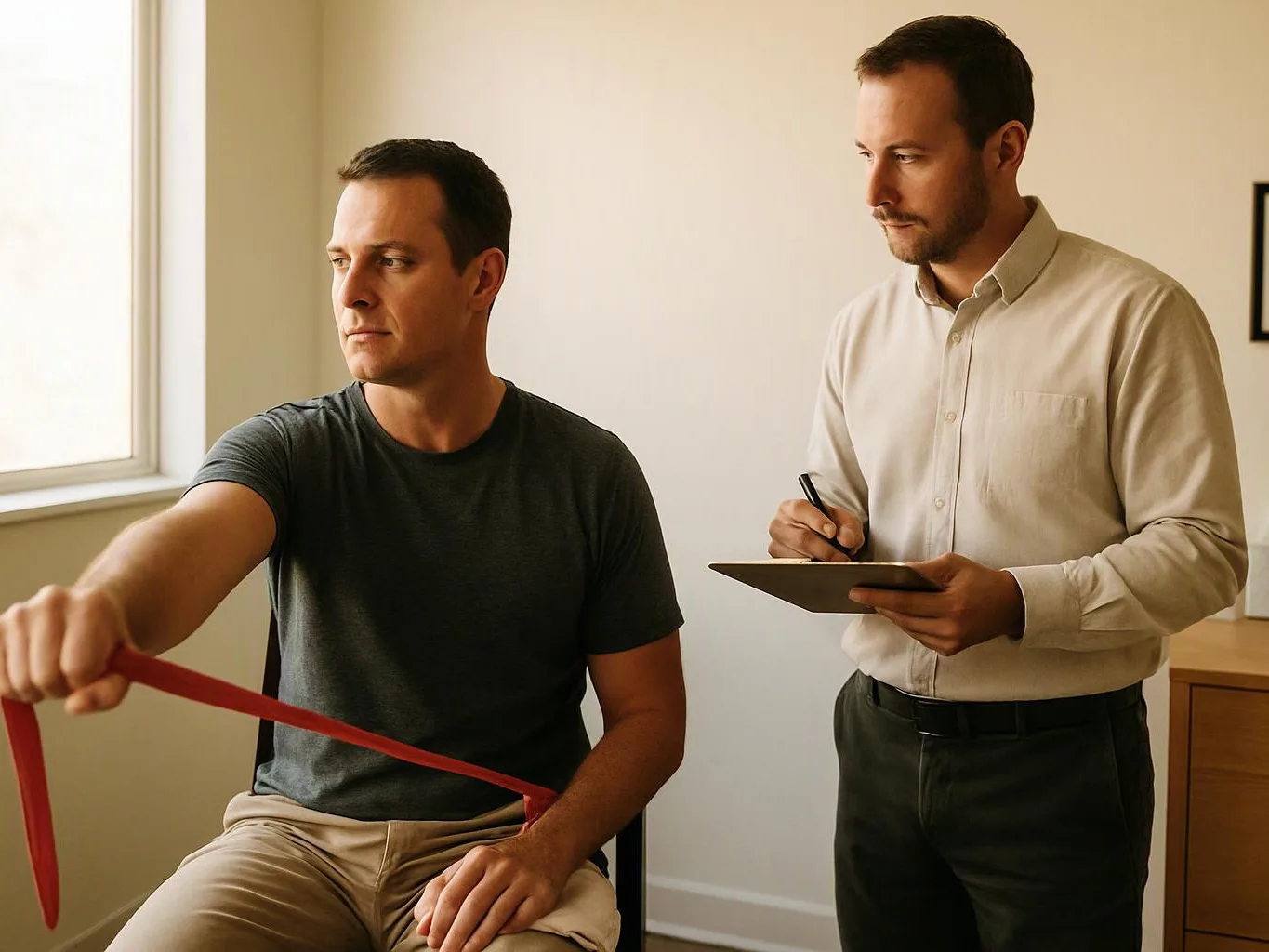
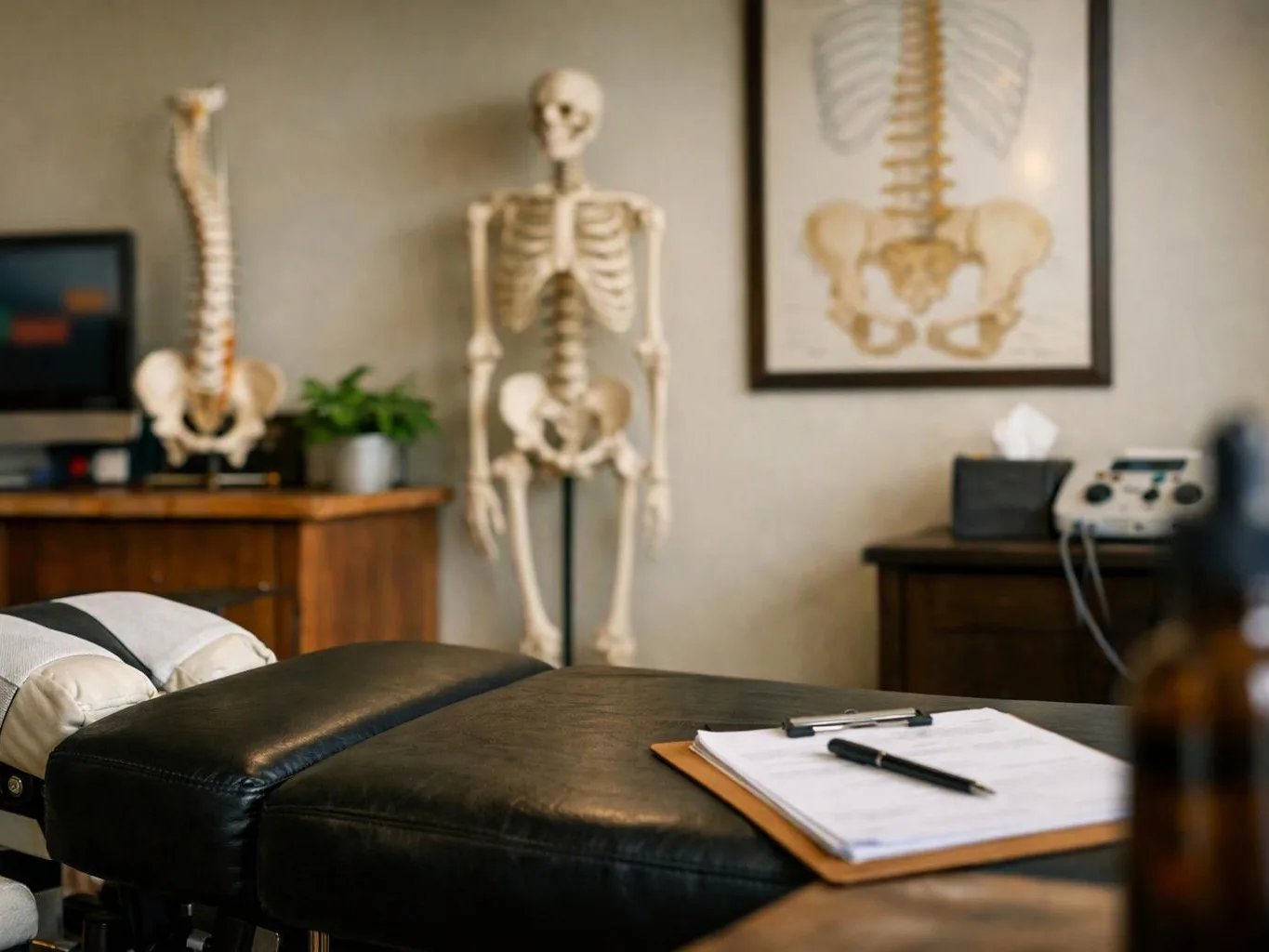
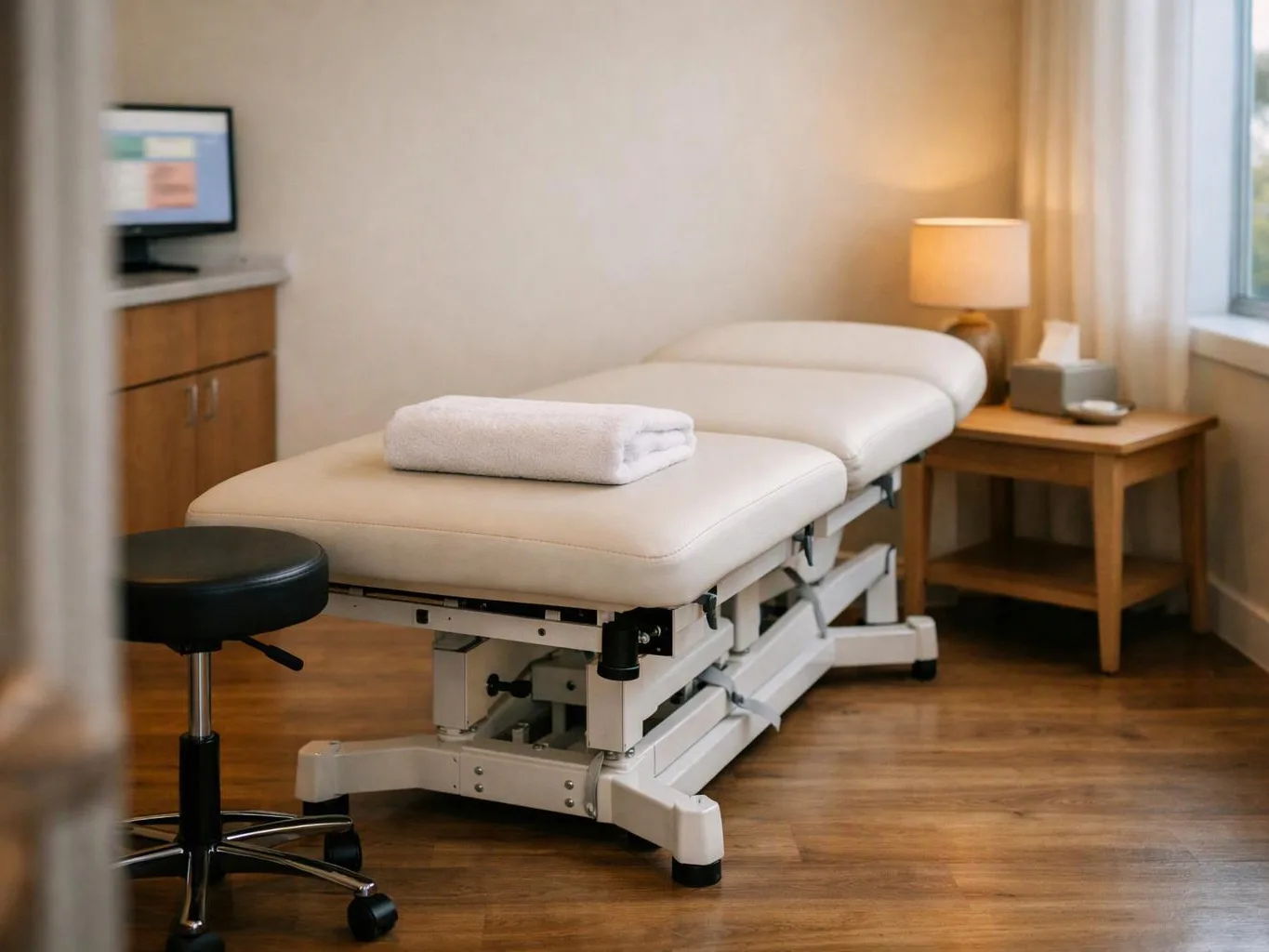
The first visit includes a health history, physical exam, and discussion of your main goals. We ask about the injury, symptoms, work demands, and daily activities. A report of findings then explains the next care options. Treatment choices may include adjustments, exercise, soft-tissue therapy, or other rehabilitation work.
Which condition changes the time needed for care?
The condition, symptom pattern, injury history, and response to care change the time needed for treatment. A recent collision with several complaints may need a different plan than recurring back pain. Our team reviews progress during follow-up visits and adjusts the plan when the findings change.
What should be ready before treatment starts?
Your injury details, symptom history, and daily activity concerns should be ready before treatment starts. Bring records or imaging reports you already have, if available. A clear account of what worsens or eases the pain helps guide the exam. Our team then explains the proposed care and next steps.
Why might my pain need more than adjustments?
Pain may need more than adjustments when muscles, soft tissue, strength, or movement control also affect the complaint. Corrective exercises can address control, while soft-tissue therapy may support restricted muscle movement. The exam decides which methods fit. We also discuss other medical care when findings fall outside chiropractic treatment.
Can care help after an auto accident?
Yes, chiropractic care may help people manage musculoskeletal symptoms after an auto accident. Whiplash, neck pain, back pain, headaches, and joint discomfort can appear together. We begin with the injury history and exam, then plan care around the findings. Individual results vary, and the plan may include rehabilitation.
How are treatment plans matched to my condition?
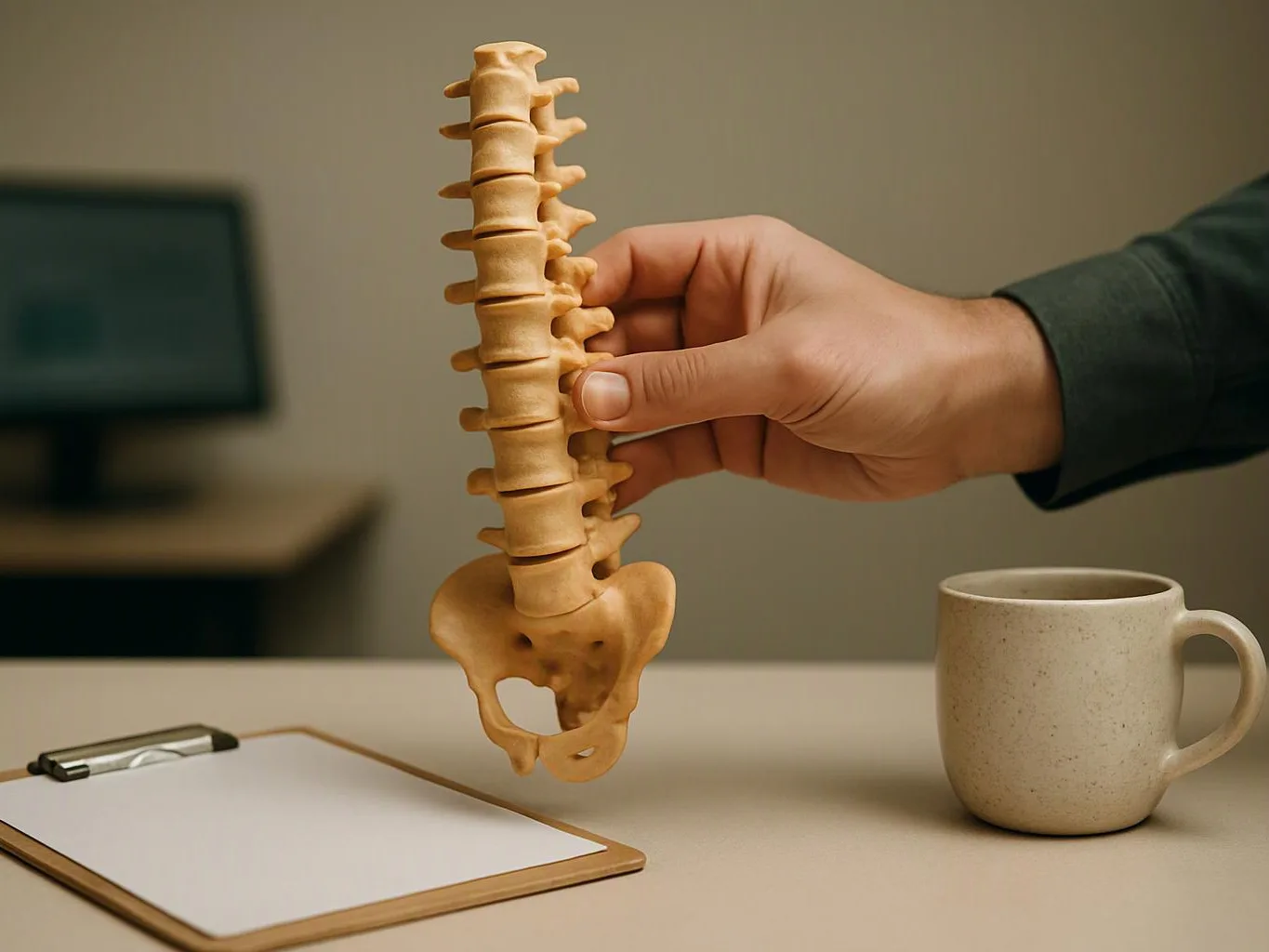
Treatment plans are matched to your symptoms, examination findings, injury history, and recovery goals. The plan may combine adjustments with exercises, therapeutic modalities, or soft-tissue therapy. Our team explains why each method fits the assessment. Progress checks help decide whether the plan should continue or change.