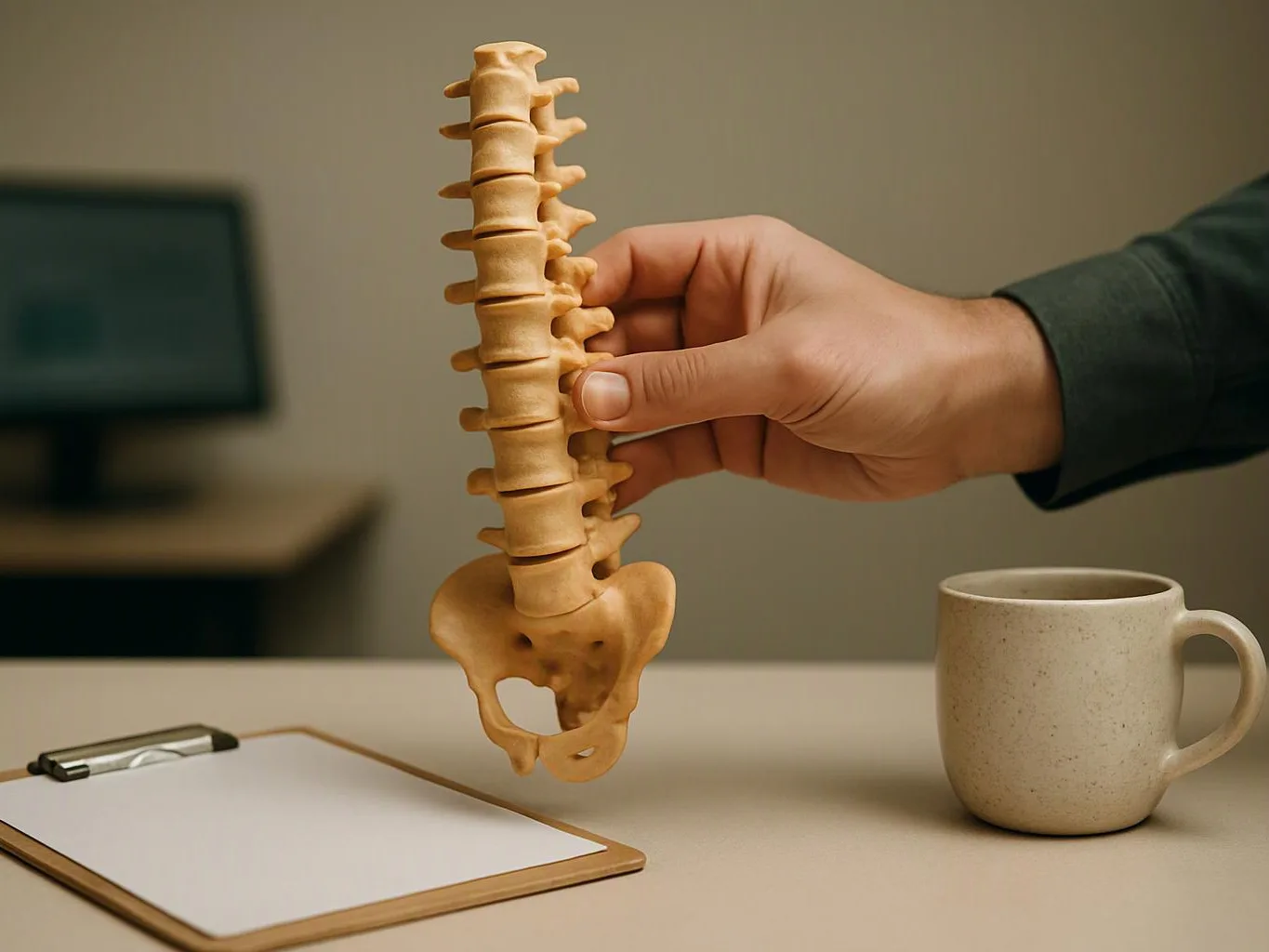
What happens during a sciatica evaluation?
Gait assessment is the first movement check, and Advanced Injury Care Clinic follows it with nerve testing, reflex checks, strength testing, and a spinal examination. The health history adds context about the pain and injury. We explain the findings after the exam and discuss which treatments may fit, such as spinal adjustments, corrective exercises, or therapeutic modalities.
What should be checked before sciatica care is scheduled?
The health history, pain pattern, walking changes, nerve function, reflexes, and strength should be checked first. These details help show whether chiropractic care fits the condition. Prior records or imaging can add useful context, but the consultation still guides the treatment plan. New severe weakness or bowel and bladder changes need prompt medical attention.
Who is a good fit for this care, and who needs a different service?
People with sciatica, back pain, leg symptoms, or injury-related movement limits may fit this care. Our team checks whether the symptoms match a chiropractic treatment plan. Severe new weakness, major loss of sensation, or bowel and bladder changes need prompt medical evaluation. Those warning signs require a different first step.
How does the first visit guide the treatment plan?
The first visit connects your symptoms with findings from the exam. We review your health history, observe movement, check nerve function, and examine the spine. The report of findings then supports a plan that may include adjustments, corrective exercises, therapeutic modalities, or injury rehabilitation. Your goals and condition shape the care choices.
What changes the price of sciatica care?
The evaluation needs and treatment methods change the price of care. A plan with an assessment only differs from one that includes ongoing adjustments, exercises, or therapeutic modalities. We provide upfront pricing before treatment begins. Ask which services are included, how follow-up visits fit the plan, and what financial terms apply.
When should leg pain be assessed after an injury?
Leg pain should be assessed when it persists, travels from the back, or comes with numbness, tingling, or weakness. An evaluation can help identify movement and nerve findings that need attention. After an auto accident, workplace injury, or sports injury, bring the injury details and explain any change in walking or daily function.
Why might corrective exercises be part of sciatica care?
Corrective exercises may support movement and strength after the evaluation identifies a suitable need. Exercises can work alongside spinal adjustments or therapeutic modalities in a personalized plan. Our team explains the purpose of each exercise and adjusts the plan as findings and recovery goals change. Individual responses differ, so care is reviewed over time.