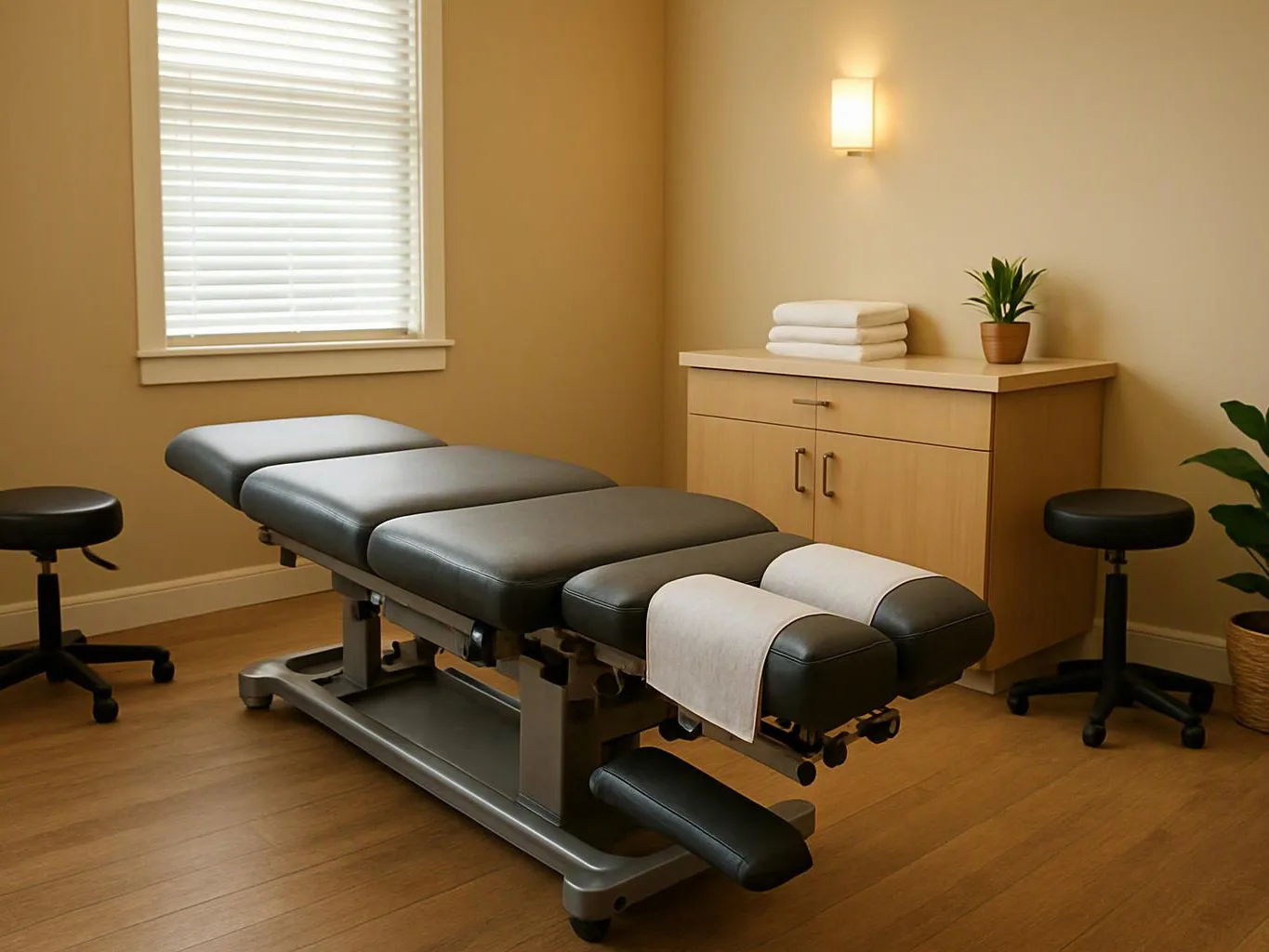
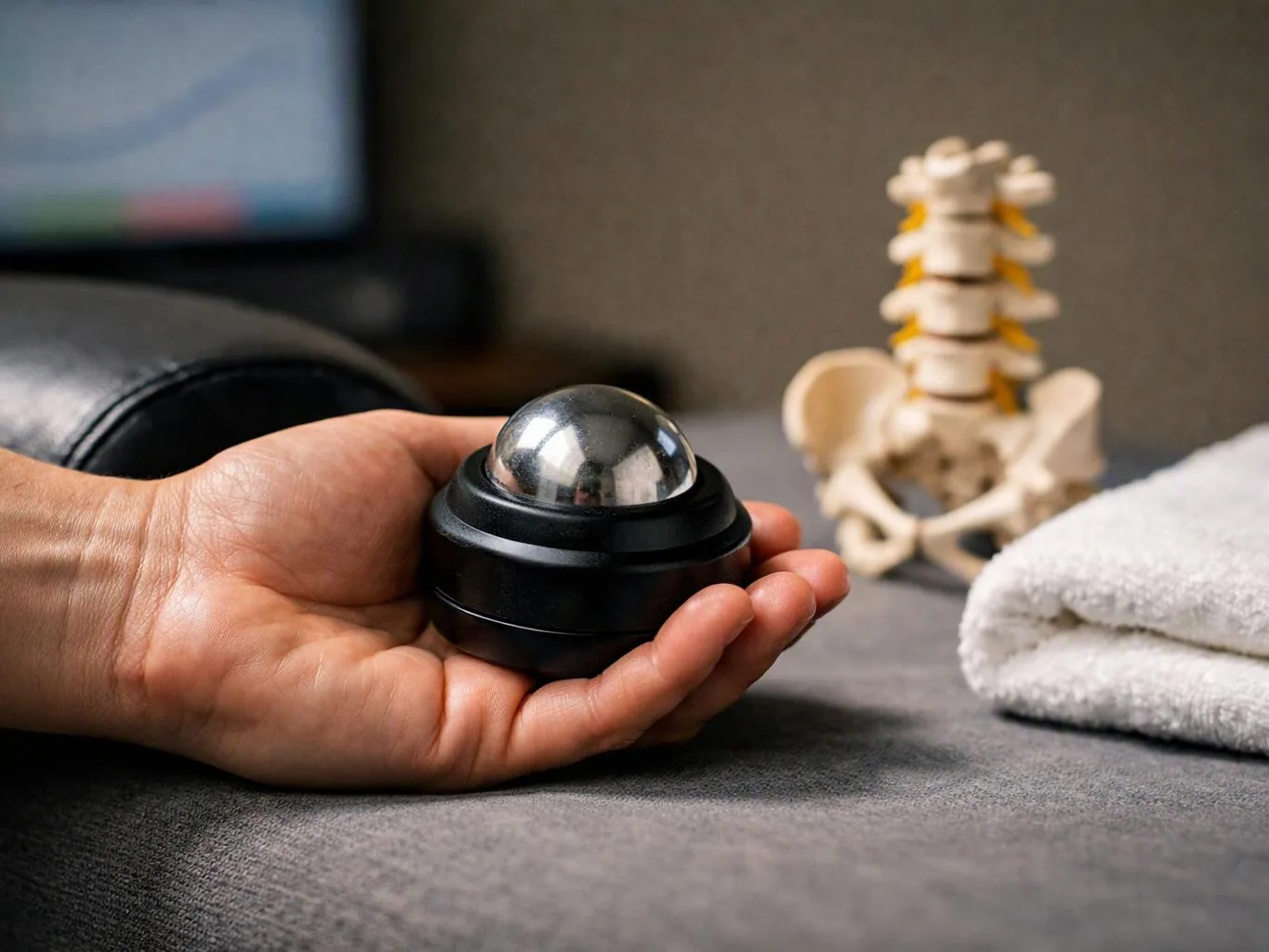
Can treatment reduce pain from disc irritation?
Walking tolerance may improve when care addresses movement limits and disc-related nerve irritation. Advanced Injury Care Clinic starts with an exam to review pain patterns, strength, and function. Spinal adjustments, therapeutic exercises, and rehabilitation may fit the plan. Individual response differs, so we review progress and adjust care when needed.
How does a visit move from the first call to the last step?
The visit moves from intake to examination, findings, treatment planning, care, and progress review. We first discuss your health history and symptoms. Next, we examine movement and explain the findings. If care fits, we may use adjustments, exercises, or rehabilitation, then review your response at follow-up.
Which part of treatment changes how long care takes?
The care plan changes the treatment timeline because symptoms, function, and response differ between patients. We consider nerve pressure, movement limits, and the treatments included in your plan. Progress re-examinations help us decide whether to continue, change, or stop parts of care.
What does the first appointment include?
The first appointment includes a new patient intake, health history, examination, and report of findings. We ask about pain, movement, daily activities, and prior injuries. The discussion then covers suitable care, such as spinal adjustments, corrective exercises, or rehabilitation. You receive a plan based on your condition and goals.
Why might leg pain need more than an adjustment?
Leg pain may need more than an adjustment when nerve symptoms, weakness, or movement limits affect the full care plan. Our team checks the symptom pattern and exam findings first. Care may include exercises and rehabilitation, but some conditions need medical assessment outside chiropractic treatment.
How can a customer tell whether disc care fits the problem?
Disc care fits when the examination connects your symptoms and movement limits with a condition we can address through chiropractic treatment. We review your health history, pain pattern, and function before recommending care. Severe or changing symptoms may call for medical evaluation instead.
What should I bring to my first appointment?
Health records, a list of current medicines, and details about prior injuries can help with the first evaluation. Bring any imaging reports you already have, but do not delay care while searching for paperwork. We will ask about symptoms, movement, daily tasks, and your main treatment goals.