TMJ Treatment: What to Expect and How to Prepare
TMJ treatment at Advanced Injury Care Clinic begins with a review of jaw symptoms and movement, followed by individualized chiropractic care, self-care guidance, and follow-up planning based on your needs.
Request an EstimateWhat Is TMJ Treatment?
TMJ treatment is a care plan that evaluates jaw-related symptoms and uses appropriate hands-on care, including chiropractic adjustment, to support jaw and surrounding musculoskeletal function.
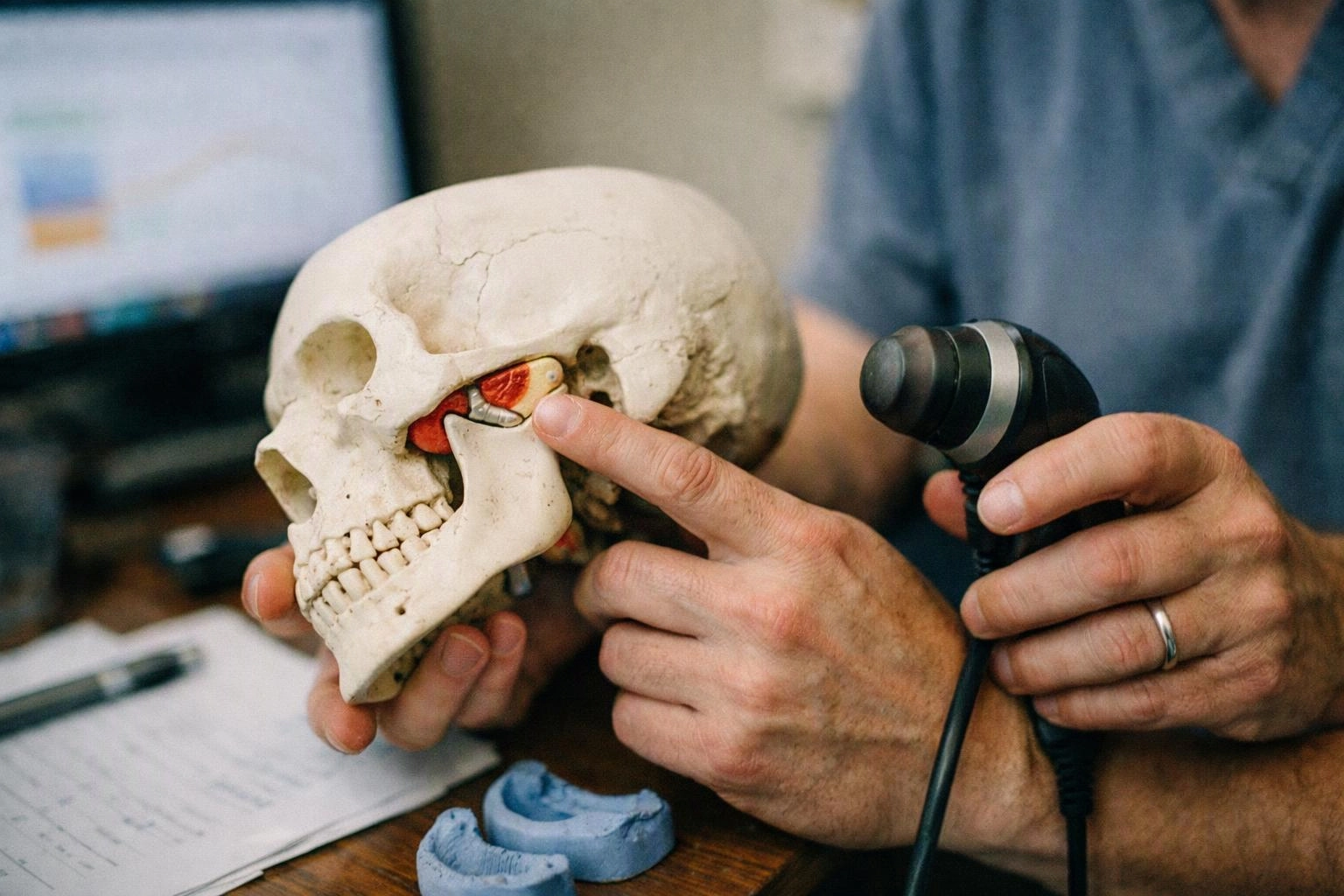
The temporomandibular joint connects the jaw to the skull and helps with speaking, chewing, and opening the mouth. Jaw dysfunction can involve the joint, jaw muscles, facial muscles, neck muscles, or movement patterns.
At Advanced Injury Care Clinic, we use a focused evaluation to understand how your jaw and related areas are working. We then shape care around your symptoms, comfort, and treatment goals.
What Signs and Symptoms Can TMJ Problems Cause?
TMJ problems can cause pain, unusual jaw sounds, and changes in how the mouth moves. We review the pattern of your symptoms because jaw discomfort can occur with related facial or neck tension.
Common signs and symptoms include:
We also ask whether symptoms affect chewing, speaking, sleeping, or daily activity. These details help us plan a movement assessment and decide whether additional medical or dental input is needed.
What Can Contribute to TMJ Symptoms?
TMJ symptoms can develop when repeated jaw strain combines with muscle tension or altered movement. Our team looks at daily habits and body mechanics that may be adding stress to the jaw joint.
Common contributors include:
We connect these factors with your symptom history instead of viewing jaw pain in isolation. This approach helps us build a treatment plan that addresses both symptoms and contributing movement patterns.
How We Evaluate Your Jaw and Related Musculoskeletal Function
Advanced Injury Care Clinic evaluates your symptoms, jaw movement, tenderness, posture, and related neck and facial muscle tension before recommending care.
We begin with your symptom history, including when the discomfort began, what makes it worse, and whether you notice clicking, popping, locking, or headache. We then observe jaw range of motion, opening and closing mechanics, jaw tenderness, and the movement of nearby structures.
Our musculoskeletal assessment may include the facial muscles, neck muscles, and posture. We use these findings to explain our recommendations and set practical treatment goals.
What Happens During TMJ Treatment?
TMJ treatment may include chiropractic adjustment and related hands-on care selected according to your examination findings and comfort.
We may use manual care to address restricted movement or tension in the jaw, neck, and surrounding areas. A chiropractic adjustment is selected only when it fits the examination and your tolerance for care.
We explain each step before providing care and monitor how your jaw responds. Your treatment plan may also include movement advice, home care, and follow-up care based on your progress.
How Should You Prepare for a TMJ Appointment?
Appointment preparation helps us understand your symptoms and use visit time well. Bring clear information about your jaw habits, previous care, and any changes you have noticed.
Wear comfortable clothing so we can observe posture and related neck movement. You should also tell us if a movement or position increases your symptoms during the appointment.
How Can You Support Jaw Comfort Between Visits?
Home care can support jaw comfort by reducing avoidable strain, noticing clenching, following our guidance, and avoiding self-directed movements that increase symptoms.
Use a relaxed jaw position when you are not eating or speaking. This usually means keeping the jaw muscles easy and avoiding forceful tooth contact.
Soft-food choices may reduce demand on a sore jaw for a short period when chewing is uncomfortable. Follow the specific guidance we provide, and contact us if home activities make your symptoms worse.
What Steps May Help Prevent TMJ Flare-Ups?
Prevention focuses on lowering repeated stress on the jaw and related muscles. We help you identify the habits and movement patterns that are most relevant to your symptoms.
Helpful prevention steps include:
We can adjust your self-care guidance when your symptoms or daily demands change. Consistent awareness can make it easier to recognize early jaw discomfort.
What Questions Should You Ask About TMJ Care?
Useful questions cover the likely contributors to your symptoms, the purpose of each treatment step, home guidance, and how progress will be reviewed.
Asking these questions can help you understand your treatment goals and take part in care decisions. Our team will explain what we find and how each recommendation connects to your symptoms.
When Should Jaw Symptoms Be Evaluated?
Jaw symptoms should be evaluated when pain, restricted movement, locking, or worsening discomfort interferes with eating, speaking, sleeping, or daily activity.
Persistent jaw pain, limited jaw movement, or a jaw that locks can signal a need for a focused evaluation. We also recommend prompt discussion when symptoms change or become harder to manage.
Medical and dental referral may be appropriate when symptoms suggest a concern outside the scope of chiropractic care. We can explain when additional evaluation is needed and coordinate the next step with your care goals.
Questions About TMJ Treatment Preparation
Can TMJ treatment help with jaw clicking?
Yes, TMJ treatment can help assess jaw clicking and related movement problems, but the appropriate care depends on the examination findings. Advanced Injury Care Clinic reviews the sound, your jaw range of motion, tenderness, and any pain or locking before recommending care.
Should I mention teeth grinding during a TMJ appointment?
Yes, you should mention teeth grinding because it can increase jaw muscle tension and joint strain. Tell us whether grinding occurs during sleep, waking hours, or both.
What should I bring to a TMJ treatment appointment?
Bring your symptom history, medication information, and details about previous dental, medical, or musculoskeletal care. Notes about jaw habits and your treatment goals can also help us understand your needs.
Can neck tension be related to TMJ symptoms?
Yes, neck tension can occur with TMJ symptoms because the jaw, neck, and facial muscles work together during posture and movement. We assess these related areas as part of the examination.
What happens if my jaw symptoms worsen during care?
If jaw symptoms worsen during care, tell our team promptly so we can reassess the movement, comfort, and treatment plan. Worsening pain, jaw locking, or major difficulty eating or speaking may require medical or dental referral.
Contact Advanced Injury Care Clinic to discuss your jaw symptoms, evaluation needs, and next steps for TMJ care.
Get a Free EstimateRelated Resources
What to Expect During a Chiropractic Adjustment
What Goes With ItHow to Choose the Right Chiropractor for Your Needs
Brand vs BrandChiropractic Adjustment Companies Worth Comparing in Hendersonville (2026)
Brand vs BrandAdvanced Injury Care Clinic vs Local Chiropractic Adjustment Alternatives in Hendersonville: Side-by-Side Comparison