
Skip to content

Peripheral Neuropathy Treatment in Berry Hill, Tennessee

Sensory testing helps guide a focused evaluation in Berry Hill. We review nerve symptoms with a neurological exam and your health history.

Licensed & InsuredWarranty AvailableUpfront, Transparent PricingServing 21 Communities

Quick Summary: Nerve Care in Berry Hill, Tennessee

Peripheral neuropathy treatment in Berry Hill is provided by Advanced Injury Care Clinic for nerve symptoms such as numbness, tingling, burning, and reduced feeling. We serve Berry Hill, Hendersonville, Goodlettsville, Madison, Gallatin, and nearby Middle Tennessee communities, with care plans based on an individualized evaluation.

  • What we do: Advanced Injury Care Clinic provides Peripheral Neuropathy Treatment in Berry Hill, Tennessee through clinical evaluation, chiropractic care, and individualized treatment planning.
  • What is included: Sensory testing, neurological exams, reflex testing, medical history review, blood test consideration, chiropractic care, and supportive rehabilitation.
  • What you get: The patient receives a clearer care plan for nerve symptoms, movement limits, and related pain.

How is peripheral neuropathy evaluated?

Sensory testing, a neurological exam, reflex testing, and medical history help evaluate peripheral neuropathy. Blood tests may add useful information when the clinical picture calls for them. The findings guide the treatment plan and help identify whether chiropractic care and supportive rehabilitation fit the patient’s needs.

Client Support and Delivery in Berry Hill

Peripheral neuropathy treatment is suited to people who notice numbness, tingling, burning, weakness, or changes in balance. The first decision is whether the symptoms fit a chiropractic care plan and whether another medical assessment should happen first.

The evaluation looks beyond one painful area. Sensory testing, reflex testing, and a neurological exam help show how symptoms affect the body. Medical history adds context about injuries, health conditions, and changes in movement.

This page answers a focused buyer question: how nerve symptoms are assessed before care is planned. The service is available through our broader coverage of Berry Hill, Hendersonville, Goodlettsville, Gallatin, and nearby Middle Tennessee communities. Results vary, so we set expectations from the findings rather than promising a fixed outcome.

  • Record where numbness, tingling, burning, or weakness occurs.
  • Note changes in balance, walking, grip, or daily movement.
  • Bring relevant medical records and a list of current medicines.
  • Ask how the evaluation findings shape the treatment plan.
  • Discuss whether progress re-examination will help track movement and symptoms.
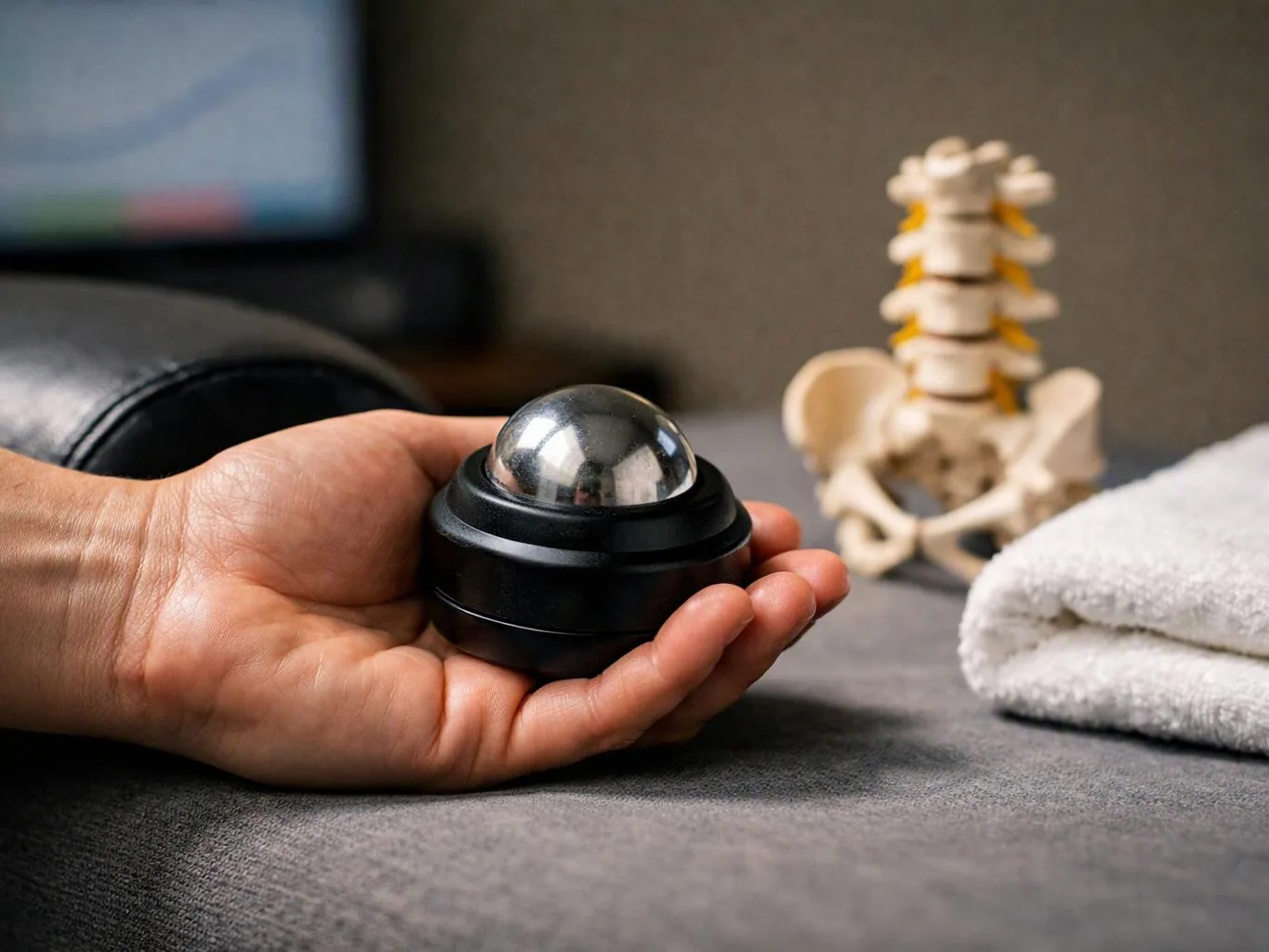
A hand holds a metal massage ball beside a spine model and folded towel on a treatment table

Service Overview

Peripheral neuropathy treatment is a care process that evaluates nerve symptoms and supports movement, comfort, and daily function.

  • This care differs from a routine adjustment because the evaluation focuses on nerve signs, reflexes, sensation, and the patient’s wider health history.
  • Advanced Injury Care Clinic provides this care for patients in Berry Hill and nearby Middle Tennessee communities.

What Nerve Symptom Care Includes

Advanced Injury Care Clinic provides comprehensive Peripheral Neuropathy Treatment in Berry Hill. Here's what you get:

  • An individualized evaluation reviews your symptoms, movement, and health history.
  • A neurological exam checks findings that may relate to nerve function.
  • Reflex testing adds information about how the nervous system responds.
  • Blood tests may be considered when the clinical picture supports them.
  • A personalized treatment plan connects the findings with chiropractic care and rehabilitation.
  • Supportive treatments and therapeutic exercises may address movement and daily function.

What This Evaluation Helps You Decide

A structured assessment helps connect symptoms with specific clinical findings.

The care plan can focus on movement limits, discomfort, and daily activity goals.

Early discussion of warning signs helps determine when another medical assessment is needed.

Progress re-examination gives the care plan a point for review and adjustment.

Regular maintenance may support movement after the main treatment goals are addressed.

Process

How We Assess Peripheral Nerve Symptoms

1

Record the symptom pattern

We ask where symptoms occur, how they feel, and how they affect walking, grip, sleep, or daily tasks.

2

Complete the neurological exam

The neurological exam reviews movement, strength, coordination, and related signs that may guide the care discussion.

3

Check reflex responses

Reflex testing adds another view of nerve function and helps us compare the findings with your reported symptoms.

4

Review medical history

Medical history provides context about past injuries, health conditions, medicines, and changes in mobility.

5

Discuss blood test needs

Blood tests may be considered when the findings and health history suggest that more information would help.

6

Set the treatment plan

We explain the findings and discuss chiropractic care, therapeutic exercises, rehabilitation, or supportive treatments that fit your needs.

What Patients Get From This Approach

A focused nerve symptom review

The evaluation considers sensation, reflexes, movement, and health history together. Peripheral neuropathy treatment is the wrong fit when symptoms require urgent medical care or a different type of specialist assessment.

Care matched to the findings

Spinal adjustments, corrective care, therapeutic exercises, and supportive treatments are considered according to the patient’s needs. The plan does not rely on one technique for every person.

Clear communication at each stage

Our licensed chiropractor explains the findings and next steps in plain language. Detailed provider bios and specialties also help patients understand who is involved in their care.

How Nerve Evaluation Steps Differ

Each evaluation step answers a different clinical question before care is planned.

Evaluation stepWhat it checksWhy it matters
Neurological examMovement, strength, and coordinationAdds context to nerve-related symptoms
Reflex testingResponses linked with nerve functionAdds another finding for the care discussion
Medical historyHealth conditions, injuries, and medicinesPlaces current symptoms in a wider context
Blood testsSelected health information when appropriateMay provide more information for the clinical picture

The Advanced Injury Care Clinic Standard

  • Individualized Assessments
  • Pre-Care Discussions
  • Personalized Care Plans
  • Appropriate Techniques

Questions About Nerve Symptom Care

What does the first evaluation look at?

The first evaluation looks at symptom location, sensation, movement, reflexes, health history, and daily function. Our team asks how numbness, tingling, burning, or weakness affects you. The findings guide a discussion about treatment options and whether another medical assessment is needed.

Which symptoms should I mention before care is scheduled?

Numbness, burning, tingling, weakness, balance changes, and grip changes should be mentioned before care is scheduled. A symptom record helps connect the complaint with the examination findings. Include when symptoms began, where they occur, and how they affect normal activities.

When might blood tests be considered?

Blood tests may be considered when the health history and examination suggest that more information could help explain the symptoms. Our team reviews that question as part of the assessment. Blood tests are not a substitute for the neurological exam, reflex testing, and movement review.

Why does medical history matter for nerve symptoms?

Medical history matters because injuries, health conditions, medicines, and past care can affect how nerve symptoms are understood. The history helps us compare current complaints with the rest of the clinical picture. It also supports a safer discussion about chiropractic care and rehabilitation.

What should I bring to the first appointment?

Relevant medical records, a medicine list, and notes about your symptoms help the first appointment. Include prior imaging or blood test information if you have it. A clear record of symptom changes, balance concerns, and daily limits can make the care discussion more useful.

How does care differ from a routine spinal adjustment?

Peripheral neuropathy care begins with nerve symptom assessment before any adjustment is discussed. A routine spinal adjustment focuses on joint and movement findings. Our team may include spinal adjustments, corrective care, therapeutic exercises, or supportive treatments only when the evaluation supports them.
Contact

Schedule a Peripheral Neuropathy Care Assessment in Berry Hill

Contact Advanced Injury Care Clinic to discuss your nerve symptoms and schedule an appointment. During the first days after reaching out, our team can gather your concerns, arrange the visit, and explain what information to bring.

A spine model stands on a wooden tray beside a beige cushion and folded white towels

Peripheral Neuropathy Treatment in Other Areas

The health and wellness information on this website is for general informational purposes only and is not medical advice. It does not create a provider-patient relationship. Always consult a qualified licensed provider in Hendersonville, TN, United States about your specific condition before making care decisions. Individual results vary.

(615) 265-0412